Everything You Need to Know Before Travelling New Zealand

When we booked our trip, we only had a couple of weeks to plan our itinerary and didn’t have much time to research some of the basic things you need to know, such as the tipping etiquette or whether you need to bring cash. So here’s everything you need to know before your camper van trip around New Zealand.
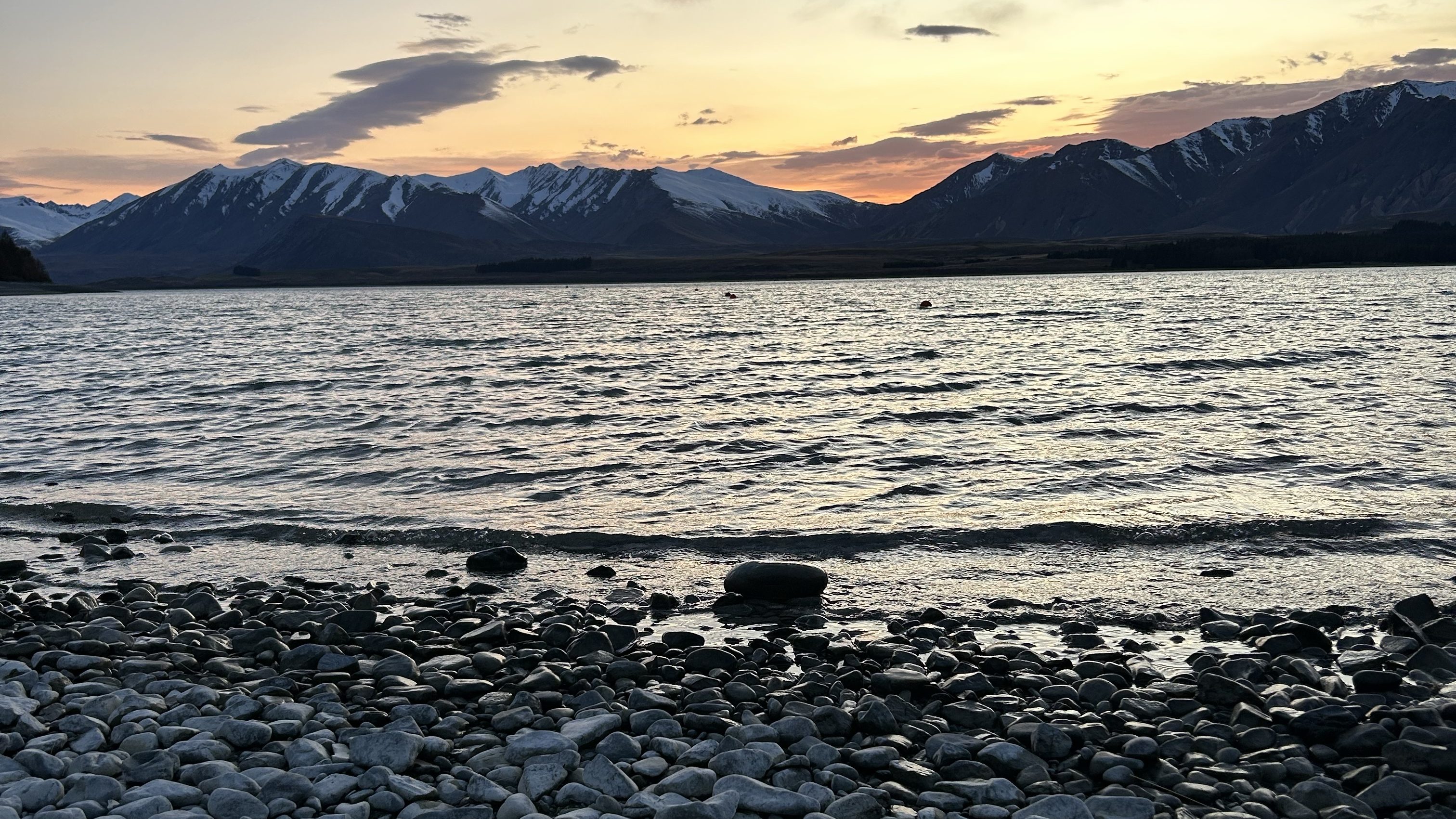
Lake Tekapo Sunrise, New Zealand

What’s the currency in New Zealand?

Kiwi’s trade in New Zealand Dollars ($NZD).

What VISA do you need to visit New Zealand?

You don’t currently need a VISA from places like the UK and the USA, but you do need need to get an NZeTA which is a VISA waiver (you can find the full list of countries here). It takes up to 72 hours to get issued and costs $52NZD per person if done through the app, which is about £25.

Do you need to fill out a passenger declaration form?

Yes, a passenger declaration form is required for trips to NZ, and must be completed within the 24 hours before arriving at customs. It’s free, and takes about 10 minutes to complete – you can fill it out on the NZTD app, or on their website here.

What are the COVID19 entry requirements?

There are no checks or requirements to have a COVID19 vaccination to enter New Zealand.

Do you need vaccinations for New Zealand?

There are no specific vaccinations that you need that you wouldn’t most likely already have as a child such as MMR, tetanus, diphtheria, and whooping cough, as well as hepatitis B and polio, but speak to your doctor if you’re in a risk group in case your circumstances are different.

Which airports can you fly into in New Zealand

There are 4 international airports in New Zealand that you would fly into; Christchurch and Queenstown in the south island, and Wellington and Auckland in the north. Auckland is the biggest airport and has a much bigger selection of flights; to plan your stop-over and see how to fly direct, have a look on flightconnections.com.

What plug types do they use in New Zealand?

New Zealand, Australia and the Pacific islands all have type I plugs. If you’re going for a camper van holiday, there are plug sockets but a lot will also have USB sockets, so don’t go crazy when buying the adaptors.

Is it easy to drive in New Zealand? What side of the road do they drive on?

If you’re from a country like the UK or Australia who drive on the left, then it’s relatively easy, as they also drive on the left. Most of the roads are in great condition and the country is set up for motorists and tourists. One thing to note is that the roads are extremely windy and can be steep, so you have to drive slow and take extra care with the turns. This means that your journeys will almost always take longer than you first think, so add in enough extra time so you’re not rushing!

How long should you spend travelling New Zealand?

Between 4 and 6 weeks would be best if you’re happy to move around every day or two and want to explore all that NZ has to offer. We spent three weeks with quite a full itinerary and we still didn’t get to see everything we wanted, having said that you could condense your plans down to fit your timescale like we did. I definitely wouldn’t spend any less than 2/3 weeks or you’ll miss out on so much, especially as it’s such a long way to travel.

Is the South Island better than the North Island?

It all comes down to personal preference, but we found quite a difference in the overall vibe between the south and north island. The south island is peaceful, relaxing and stunning. You could drive for miles without seeing people (depending on what time of year you travel), whereas the north island has over 75% of New Zealand’s population, so it’s much busier and there are a lot more towns and cities. If you’re looking for beautiful hikes and to live in true nature, then the south is for you. If you’re interested in an activity packed trip with a bit more of a nightlife, head to the north!

How do you get between the North and South Island?

Catching a ferry is the most common way to cross the Cook Strait, which goes between Picton in the South and Wellington in the North. The crossing takes around 3 hours, but can be longer in bad weather, which happens more than you’d think. The Cook Strait is often considered one of the roughest stretches of water as it’s the only gap between the mountains in the North and South and creates a wind tunnel, resulting in some crazy waves. Don’t be surprised to experience swells of 3-4m in bad weather. (You wouldn’t think a large ferry could move so much but trust us, it does. Take travel sickness tablets if you’re prone to it!).

The price varies a lot depending on type of ticket you get and whether you’re a foot or car passenger. The two ferry companies are Interislander and Bluebridge so check the cost for each to see what they offer!

Another way to get across would be to get a flight. There are few different airports to get a domestic flight from and to, so have a look on Skyscanner.com to check your preferred airport.

When is the best time to go to New Zealand?

Obviously the summer months of December – February will be the warmest and sunniest months, but I truly believe October is the best time to go! We visited around this time of year, which is the start of their spring, and we had a real mix of weather, but it was all still so beautiful. We had some days that were a bit rainy, but some days were sunny and 20°C! The best thing about it is that it’s shoulder season so there were hardly any other tourists around and we were able to do all the things we wanted without the crowds of other travellers.

If you visit in a busy period, I’d advise booking the campsites and activities in advance. We booked everything and didn’t have any issues. By the time we got out to NZ we did find some of the tours or trips suddenly got booked up so I can imagine these get full very easily in the warmer months.

What’s the weather like in New Zealand?

The weather is so diverse and changes so much from town to town. The North is generally a lot warmer than the south, partly because it’s closer to the equator but also it’s less mountainous and the towns aren’t sat high in the potentially-snowy mountains. In the winter, weather can reach -10°C in the higher areas, and summer can get above 30°C. We found that the weather changed vastly between nearby towns; raining one minute and 20 minutes over the other side of a mountain and it’s pure sun and hot! One thing that’s certain is that they have high UV levels so make sure to use SPF!

Do you need to bring cash, or can you pay for everything by card?

In general, we used card 95% of the time, but it’s definitely worth bringing some cash with you and change it to $1NZD and $2NZD coins. A lot of the proper campsites have laundry facilities which were a lifesaver for us, and we tried to do a wash at least once a week if not more. We found that a lot of them cost between $2NZD-$4NZD for the washer and the same for the driers. 

Is New Zealand expensive?

To put it straight, New Zealand isn’t cheap, but it won’t completely break the bank! They have to import a lot of their goods which puts the cost up slightly, so your supermarket shop might cost you a bit more than it would in the UK. Bear that in mind when planning and budgeting!

Do they tip?

People in New Zealand do sometimes tip, but their tipping culture is more similar to the UK than the USA. Their overall salaries are higher so they don’t rely on tips, but if they deliver excellent service or you have a really great meal, a small token of gratitude is always appreciated.

Can you ‘free camp’ in New Zealand?

Not in the same sense as Scotland, no. There are free campsites (often car parks) that let you camp for free overnight if you’re in a fully self-contained vehicle, but you can’t just park up wherever you want and stay for the night. The ‘free’ sites will normally have a sign, and if they’re in a popular location, they might have time restrictions on when you can camp; you may need to be gone by a certain time in the morning.

How do you find campsites?

Download the Campermate app! I can’t stress enough how much we used this. It shows you the locations of campsites, dump stations, water stations and free-camping areas all over the country. It also shows you daytime carparks for your camper and pretty much everything you’d possibly need if you’re road-tripping NZ.

Can you stay at freedom campsites all the time?

In theory, yes because you can find fresh water and dump stations in a lot of places (you can find these on CamperMate). The issue would be charging your campervan battery.

How often does a campervan battery need charging?

A lot of campers and motorhomes have a separate battery for the ‘living’ area which needs charging up every 2-3 days depending on how much you use it. Some have solar panels and also can charge whilst being driven so if you’re set on exclusively free camping, make sure to look for this when renting your campervan!

Is New Zealand safe?

Yes, New Zealand is one of the safest countries in the world, but of course it’s not without its problems. Petty theft happens, as well as other gang related crimes, however it’s nothing to worry about as long as you keep your valuables safely locked away and out of site. The crimes are a lot more common in the north island where a majority of the gang patches are, and we were advised to stick to locked campsites and carparks to avoid any potential break-ins.

Do they have any dangerous animals?

No. They have absolutely no predators, unlike their neighbours Australia! They have possoms which might try and hurt you if threatened, and they have a lot of sandflies, but that’s about it. There are a couple of different spider species that are poisonous; nothing that you need to worry about!

Is New Zealand a good place to travel with toddlers?

Yes, 100%! We travelled in a camper van for 3 weeks for the first time with our 2 year old and she absolutely loved it! Because it’s such a safe country, we never worried about things like illness, food contamination or unsafe drives (although like any country, you will get the odd reckless driver). The culture is fairly similar to the UK so we felt just as safe as going on a road trip up to Scotland (although the scenery is even more unreal).

Are the people in New Zealand nice?

Yes, kiwi’s are really friendly people. They have quite a dry and sarcastic sense of humour, most similar to Australia and the UK.

What’s the legal drinking age in New Zealand?

The legal age to buy alcohol in New Zealand is 18, however there is no minimum legal age for actually consuming it.

Is there still a Māori Culture?

Yes, the Māori culture is still a big part of New Zealand life! Around 85% of the Māoris live in the north island and there are lots of different areas and towns where you can experience this. In Rotorua, you can do a Māori experience and visit an old Māori town, learn about the history and watch a performance from a real tribe, including the famous Haka!

One thing you’ll likely hear when you’re in the north island is Aotearoa, the Māori name for their country which is widely used. A petition was even set up in 2021 by the Māori Party to legally change the country’s name!

Easy Makeup for Holidays

If you’re anything like me (a busy mum), you want to look like you’ve made an effort without actually having to make the effort. Whether you’re holidaying at an all inclusive or you’re backpacking around, you don’t want to be spending hours in the morning getting ready, or spending a fortune on permanent treatments before you go on holiday.

After nearly 6 years of travels, I’ve finally nailed the easy, low-maintenance makeup routine on holiday. Here are the 5 must-haves for your makeup bag. All hand-luggage friendly, and all for under £35!

Easy makeup for holidays - 5 must-haves for under £35!

This page contains affiliate links, and as as an Amazon Associate, I earn from qualifying purchases. If you do choose to purchase after clicking a link, I may receive a commission, but this is at no extra cost to you!

1. Tinted Face SPF

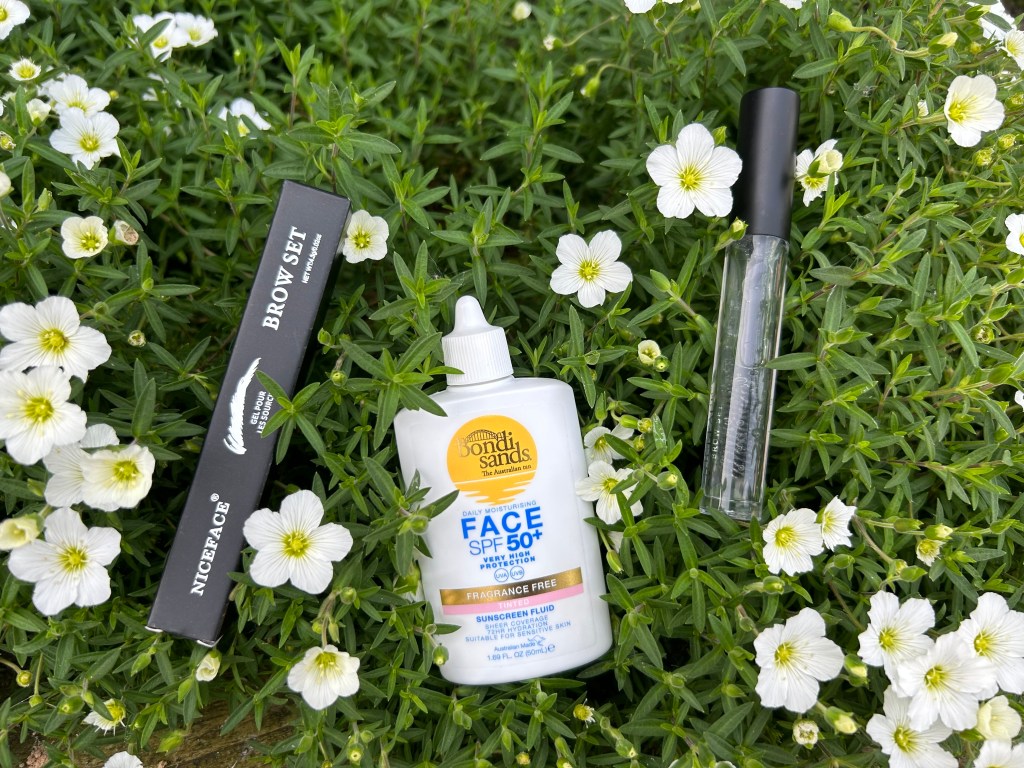
Everything I’ve read about easy makeup routines for holidays raves about using a BB cream as opposed to foundation, as it’s less heavy and is a lot more wearable in hotter weather. But, why not go one step further and use a tinted SPF? I’d never really seen them around before (or maybe I just haven’t paid attention), but since buying the Bondi Sands Tinted Face SPF for £8 I wouldn’t use anything else. Not only is it a factor 50, but it’s also got a perfect glow to it, giving you the sun-kissed look without foundations and bronzers. It’s not greasy like regular suncreams are, making it perfect for hot sunny beach holidays, cold winter ski holidays and European city breaks (pretty much anything where you might be spending time outside!).

What’s even better is it’s only 50ml and lasts for ages, so is perfect for fitting into your hand luggage!

2. Eyebrow Tint

You may or may not be lucky enough to have perfect brows, but if you’re like me, you need to do a bit of work to their shape and colour. Of course, eyebrow pencils are great, but they require doing every morning and need topping up if they smudge or get wet. I try and tint my eyebrows before I go using the Eylure Dybrow kit, which lasts me about 1-2 weeks. If you are going for a much longer trip, the kit is really small and is perfect for hand luggage if you want to top the dye up whilst you’re away.

3. Eyebrow Gel

Even after I’ve tinted, I do still need to help the shape a bit, so these Mimore Brow Fix Gels from Amazon are so cheap (only £2.50 each) and work so well for me. Of course you can get some super expensive ones which are probably much better, but I find these work really well for what they are and keep my eyebrows in place all day, so don’t really feel the need to spend any more. It takes seconds to brush through and shape and are an essential part of the travel kit, in your suitcase or your handbag.

4. Waterproof Mascara

Pretty much every brand of mascara offers a waterproof alternative, so if you have a set favourite then stick to it. I use Maybelline Lash Sensational Waterproof Mascara as it’s less than £10 and perfect for everyday wearing. It’s not just me who’s raving about the high street favourite – Harman, the fashion and beauty guru behind the blog YourGirlKnows.com also recommends Maybelline in her 8 Best Drugstore Waterproof Mascaras.

5. Tinted Lip Balm

The great thing about a tinted lip balm is it’s versatility. It keeps your lips hydrated and prevents chapping in the colder weather, and if you get one with SPF then you can protect your skin in the sunshine, all the while giving them a nice subtle colour. For a cheaper option, Burt’s Bees Tinted Lip Balms are made from completely natural ingredients and come in lots of different shades.

24 Travel Goals for Families in 2024

Travel is one of the best ways to bring your family closer and spend quality time together. Not only do you get to explore new places and create memories together, but you also get to watch your children grow into the adventurous young people you want them to be.

23 Travel goals for families

If you haven’t thought about setting travel goals for your family then you should re-consider. Setting goals together as a family is a great way to make sure set out your expectations of each other and the trip, and could avoid a whole heap of arguments down the line. Travel goals are a bit like a travel bucket list, but less specific and has more scope for movement to adapt to whatever situation or destination you end up in. Take a look at our list of 24 Travel Goals for Families in 2024 below for you to get started.

  1. Visit at least one country in each continent together
  2. Do a long weekend staycation in your own country
  3. Each take it in turns to plan a different trip
  4. Start a new hobby abroad that you can continue at home
  5. Go glamping
  6. Spend a day ‘off the grid’ together
  7. Make friends with another family whilst away (and stay in contact afterwards)
  8. Do a random act of kindness on each holiday
  9. Tick off as many modes of transport as possible (plane, bus, car, boat, tuk-tuk, segway etc…)
  10. Do a family volunteering holiday
  11. Start a family travel photo album/scrapbook
  12. Learn to cook an authentic local dish from another culture
  13. Do a multi-city trip
  14. Write your bucket lists
  15. Stay in an all-inclusive resort
  16. Learn another language together (or each learn a different language and broaden your combined knowledge)
  17. Do a road-trip in a campervan/RV
  18. Stay in a hostel
  19. Walk under a waterfall
  20. Spend Christmas in a different country
  21. Do a home-stay and immerse yourself in a new culture
  22. Go back-packing
  23. Watch the sunrise together in a wonderful place
  24. Do a safari

Of course there are SO many other family travel goals that you could have, we’ve just pulled out a few of our favourites to get you started. If your children are old enough, creating a goals list is a great activity to involve them in before you go away.

Let us know any of your family travel goals

Booking Accommodation with Airbnb

We love Airbnb, but I found out recently that not everyone else does; some people have concerns that they’re going to be conned or that the property won’t be safe.

Let me just say, we have never had a bad experience with Airbnb… This isn’t to say that every place we’ve stayed has been 5* (some have been pretty close though), but you get what you pay for and we were fully aware what we were booking for all of our trips!

We use it for most our holiday stays and we usually find that it’s quite a bit cheaper than hotel rooms or holiday apartments, so I thought I would share some handy tips and advice for booking with Airbnb – you may soon love it as much as we do!


Check the sleeping arrangements

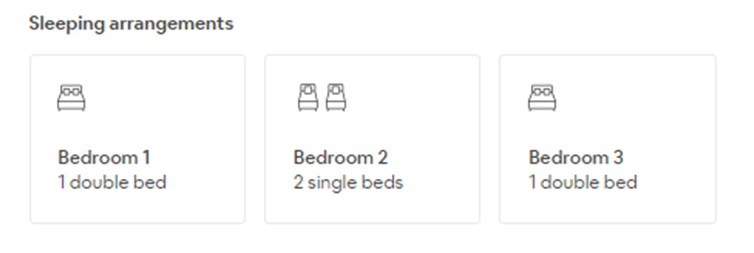
One of the first things that I check when booking with AirBnB are the sleeping arrangements. Just because you put in a certain amount of guests, doesn’t mean there are always that same number of actual beds available. Sometimes, they have sofa beds and futons, often meaning someone’s ‘bedroom’ will in fact be a communal space – and someone has to draw the short straw! On the main overview, underneath amenities, you will be able to see the sleeping arrangements where it tells you how many bedrooms, and what type of beds are in each.

Let’s face it, if you’re on a romantic getaway then twin beds in separate rooms isn’t exactly what you would want to see when you walk into your stay….

Sleeping arrangements when booking with AirBnB

Read the reviews!

Okay so in all honesty, I think the reason we have never had a bad stay is because I won’t book anywhere that hasn’t been reviewed yet. If it’s a brand new property that’s only just been listed, I won’t stay in it – let’s face it – nobody wants to be the guinea pig! The more reviews the better, as you get a clearer idea of the place, but even just a couple of reviews to confirm that it’s trust-worthy is enough!

The actual reviews themselves are important, as they give you honest feedback from previous guests about what works and what doesn’t with the accommodation. If you’re a light sleeper for example, the reviews will usually tell you if there are issues with the street noise, how effective the blinds/shutters are and any other information that you need to know! There’s also a search bar above the reviews where you can search for specific terms that people have used which are important to you i.e. pool, mattress, location etc..

Unique stays

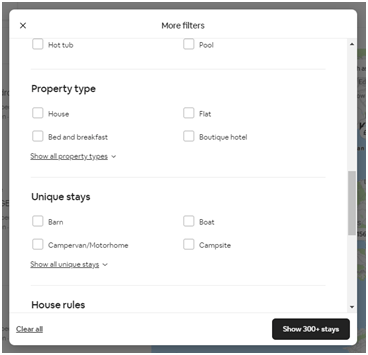
Airbnb doesn’t just have people’s houses and flats available to stay in – oh no! You can find yurts, camper vans, lighthouses and castles! At the top of the page, under ‘more filters’, you can scroll down to ‘property type’ and ‘unique stays’ which have a huge range of different properties for you to whittle it down to.

If sleeping in a windmill is on your bucket list, Airbnb is a great place to go!

How to find unique stays when booking with AirBnB

Check amenities

If you’re like me (you pack half of the house when you go away for a weekend) then I’d glance a look over the amenities! Most stays will offer the basics – sheets, soap and toilet roll – but things like hairdryer, shampoo and towels can save a load of packing space, and can help you travel a lot more efficiently! It could be the difference between a cabin bag and hold luggage.

View the check-in info

This is especially important if you have a timeline that you need to stick to. Some places have very specific check-in/check-out times, which can sometimes be an issue when you have a particularly early or late flight somewhere. It’s always worth checking this before you book to be able to see whether there is any flexibility and if it fits around your schedule! Usually, the properties that offer self check in (normally the key is kept in a lock box) are best for unsociable times!

Take note of the cancellation policy

Some places on Airbnb let you cancel up to a few days before you’re due to arrive in order to get a full refund, and others only let you cancel within 48 hours of booking. If your fights and plans are all set in stone, then it shouldn’t really matter, but if you’re just going for a weekend break in your own country where plans can change, it might be an idea to choose a stay with more flexibility! It’s also worth noting this when you book anyway, just so you are aware of your rights and are prepared if the worst was to happen!

Entire place, or just a room?

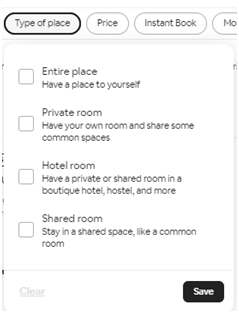
To some people, the thought of staying in a room in someone’s home sounds exciting as you get to meet new people and feel safe if travelling to a new country. For us however, we prefer to stay in a place on our own so that we can feel free to come and go as we wish, and don’t have to worry about staggering in at 3am if we chose to spend the night bar-hopping and gallivanting around. At the top of the page with the filters, you have the choice to pick your ‘type of place’, where you can choose from either entire place, private room, shared room or hotel room. Private rooms are generally cheaper than the entire place, so it all depends on your preferences and your budget.

Booking with AirBnB- property type

Check the map

A great perk of booking with Airbnb is that it has a great feature on the website (and the app) where you can look at an overview of all available properties which match your requirements, on a map! This is really handy if you know there’s a rough area of a city that you’re hoping to stay in, but in my experience, the prices that are shown on the map aren’t always accurate and will quite often end up reducing when you click into the property. Winner!

If you don’t use this feature to actually search for your property, it’s always useful to double check where your desired stay is on the map, in case it’s in a rough area or miles away from the centre of where you want to be!

So that’s just about it! It’s really not that complicated, it’s just about getting to know how it works and what to look for to ensure you have the very best stay! You can find some truly amazing properties on Airbnb, you just need to have a little look around and don’t always be fooled by the first image that’s displayed. Take your time to look into the details of the properties and you can find some great homes to make your holidays wonderful!


Airbnb have also got an area for ‘experiences‘ as well, which we’re yet to try. If you’ve used this then please let us know how you got on!!!

9 Top Tips for Eco-Friendly Travel in 2023

The sad truth is, until engineers invent aeroplanes which run off reusable energy (and make them mandatory across all airlines), there isn’t an obvious guide for eco-friendly travel without increasing your carbon footprint. Of course, catching a bus or train is a lot better than a plane, but there really is no perfect method of transport to get you from country to country, whilst leaving no trace of damage on the planet.

Take a few minutes to read through our top tips for eco-friendly travel, and hopefully it’ll help give you some pointers to be as responsible as possible on your journeys.

Top Tips for Eco-Friendly Travel

Think before you leave

Oddly enough, the first step to helping the environment starts before you even leave the house. How long are you going away for? Two weeks… a month? Maybe even longer! Make sure to use up all of the food in your house in the lead up to you going away, and give any food that won’t keep to either a food bank or a friend/neighbour. Food waste is a huge issue which can so easily be prevented; all it takes is a little planning ahead!

Make sure to unplug any electronics that don’t need to stay on; your fridge/freezer should probably be the only thing remaining. Don’t leave your TVs on standby and turn off your water supply in case of any water leaks that could not only waste water, but also damage your home!

Plan your trips well

Planning your trip is so important, as it limits the amount of resources you are wasting and helps with eco-friendly travel. Make sure you’re going to places in the most logical order, and if you’re taking a trip across continents, try and make sure you are doing everything that you want to in one place before moving on. When you research the areas that you are visiting, find out if there are any laws or rules that you need to abide by (for your own safety) and also get to know a bit about the history of that place. This way, you’ll know exactly what issues the country faces (if any) and can bring the necessary supplies to donate and support their economy.

Reduce, Reuse and Recycle

It’s 2019, and there is absolutely NO need to be buying single use plastic any more. With a new age of travelling, comes thousands of products specifically designed to accommodate. For example, this WaterWell Foldable Squeeze Travel Water Bottle costs around £30 and in my opinion, is 100% worth it for the most eco-friendly travel. You can fill it from any fresh water source – even a puddle – and it will filter out the waterborne pathogens to create perfect drinking water. It also folds down into a really manageable item to carry around with you everywhere, so put it on your christmas list and stop buying bottles of water!!

If you do find yourself in a position where you need to buy something spur of the moment, don’t throw it out once you’re done. You may need it again on your journey or there may be another use for it down the line.

Walk as much as you can

Did you know, walking for 10 miles every week would remove 500 pounds of CO2 emissions a year!?! Not only is walking better for the environment, but it’s also good for the mind, body and soul; it will increase your mood massively and will give you a much happier holiday experience. Invest in some nice comfy trainers or walking boots, and see the sights on foot!

Use public transport

You won’t be able to walk everywhere, especially if you’re travelling across distances. Instead of just jumping in a taxi to get from A to B, why not get a bus or train. This can require a bit of prior planning, especially if travelling long distances, but you will be able to soak up the scenery better and normally save quite a bit of money. Public transport can also be a great way of experiencing authentic culture, as you’ll be in amongst the local people living their day to day lives.

Invest in solid toiletries

One of the main reasons that solid toiletries are more eco-friendly is because they are usually plastic free. All liquid toiletries – shampoo, body wash, conditioner, and deodorants – come in containers which are normally made from plastic. Even if this plastic is then recycled, its usually made back into plastic packaging, and is still completely unnecessary. Nowadays, you can get solid bars of soaps, shampoo and even powdered toothpaste; an extra advantage of this is that it takes up far less space and can be taken onto an aeroplane as hand luggage. Win win.

Buy local

Whilst you’re on your travels, make sure to buy local in order to boost that country’s economy! Buy your food from a local market rather than a large supermarket, and if you need any clothes or toiletries whilst you’re out there then shop from smaller, local shops as opposed to big chains in the cities. None of this should make too much of a difference to you but will be of huge benefit to the community.

Do at least one good deed in every country that you visit

I love this idea (if I do say so myself) as not only is it a way of helping the planet, but it’s also a great challenge to have on your bucket list! Some examples could be to give money to a local cause, litter pick, help a stranger or do a volunteering day. The opportunities are endless, and this way you can feel like you’re making a difference whilst travelling.

Look for volunteering activities

In my opinion, this is one of the best ways that you could go travelling. If you are on your gap year, or are looking to go away for a longer period of time, there are hundreds of really fun and exciting volunteer programmes that you can sign up to, which can take you all over the world! Build homes and wells in Africa, save the wildlife in South America, or become a foreign language teacher in Asia – there will be something for everyone. Everyone I know who has gone down the volunteering route said how much of a life changing experience it was; from the life-long friends you make, to the difference that you make in the community! Some opportunities you even get paid for, so you can hop between jobs, exploring new countries and making a difference as you go!

Scott and I try to practice eco-friendly travel as much as possible, but I know there is always more to be done! We are always open to suggestions on how to improve our carbon footprint whilst visiting new places, so feel free to let us know!

15 Present Ideas for Travellers

Buying presents can be daunting at the best of times, but what do you get someone who spends half of their time out of the country? Short of buying a plane ticket (which by the way, isn’t on the list but if you can afford it, do it!), it’s hard to know what to get that’s not a waste of money, and isn’t going to sit at home and gather dust.

I’ve put together a list of 15 present ideas for travellers and wanderers amongst us, from £5 to £100!

  • Waterproof/adventure camera – Nearly everyone has a smart phone nowadays, which all have amazing cameras, but one of the downsides is that they aren’t generally very robust and they don’t come with all of the accessories. A Go-pro, or cheaper equivalent, is great as it has so many attachments to allow you go hands-free and take it everywhere with you – even underwater!
  • Backpack – Whether you’re buying for a traditional ‘backpacker’ or just a frequent holiday-er, this £30 backpack from IKEA is perfect to travel with! It’s got so many compartments and can hold a LOT of stuff (think of it as a Mary Poppins bag), and so is great for carry-on luggage. The top can be folded right down to a smaller, more manageable size rucksack, and used for day to day adventures as well.
  • Portable Charger – This is an absolute MUST HAVE for travellers. With so much beauty that the world has to offer, social media is the best way of sharing their holiday pics with friends and family! For this reason, smart phones generally run out of battery very early on in the day. For a decent charger, you’d probably spend around £25, but make sure to buy one as compact as possible for easy transportation. In my opinion, this is one of the most practical presents!
  • Scratch map – This is a great idea for people who travel a lot, as it’s a creative way of keeping track of where they’ve been. Scott and I have one each and we’ve framed them ready to go on the wall! They start from £10 and you can find loads of variations on Amazon.
15 Present Ideas for Travellers - Scratch Map
  • Wash bag – The chances are, they will already have a wash bag of sorts, but it’s really important to make sure it’s both waterproof on the inside and out (to avoid any spillages or stains) and is relatively flexible, to enable it to be packed or shoved into backpacks.
  • Travel bottle – Pretty self explanatory this one. Help them save the world (and some money), and buy a reusable water bottle. This WaterWell travel bottle costs £30, and filters out 99% of pathogens from any fresh water source (taps, lakes, streams, and even puddles). They also do a 1 litre fold-able pouch for £25 which is even better for easy storage.
  • Walking boots – If you’re looking for present ideas for travellers who do a lot of exploring on their holidays, why not buy them some new walking boots? A decent pair could cost you anything from £30-£100, so a perfect gift regardless of your budget, although you could always just stick to a comfy pair of socks instead..
  • Personalised photo album – I got Scott a personalised photo album for his bucket list last Christmas for £60, but they start from £25 on Not On The High Street. I know that technology has taken over, and most people keep their photos on their phones/laptops, but there’s something quite nice about having an album full of memories! Imagine ‘Ryan’s trip to Thailand‘ or ‘Sophie’s gap year 2019‘ – this is one of those presents that you don’t know you want, until you have it!
15 Present Ideas for Travellers - Photo Album
  • Kindle – Exploring the world is amazing, but let’s be honest – the actual ‘travelling’ element can sometimes be a bit boring and long-winded. A Kindle is so compact and holds thousands of books; it’s the perfect way to pass the time and relax in between adventures. You can buy a Kindle for around £80 on Amazon.
  • Personalised collectable travel key-chains and jewellery – Bit of a mouthful. This is a lovely gift for people who like mementos, and can be for both men and women. Vagabond Life offer engraved travel rings which you can add to key chains, bracelets and necklaces, to keep track of every country that you visit. El Camino is another great place for bracelets – they are effectively charm bracelets, however instead of collecting charms, you collect location beads.
  • Shewee – Okay, some people may find this more of a jokey present, but for girls who are into walking and hiking (where toilets aren’t always accessible), this is actually a VERY practical gift. They start from about £5, so are perfect as a stocking filler, or Secret Santa present!
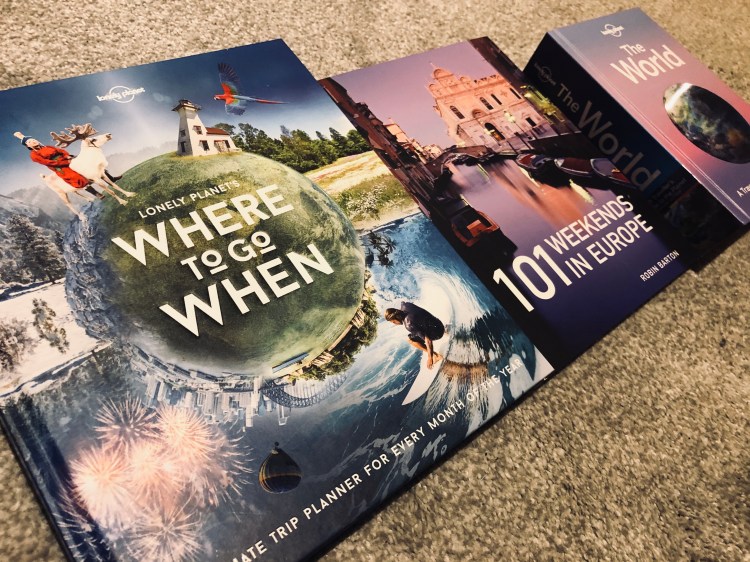
  • Travel books – When Scott and I look to book our next holiday, we have three go-to travel books; Lonely Planet – Where to go When, Lonely Planet – The World, and 101 Weekends in Europe. All three of them are under £20, but there are hundreds of travel books out there depending on which best suits.
15 Present Ideas for Travellers - Travel Books
  • Solid toiletries – From shampoo and soap to deodorant and toothpaste powder, solid toiletries are cheap to buy, and have many benefits; they are normally much more eco-friendly as the plastic packaging is reduced/non-existent; they take up a lot less space; they’re brilliant for taking through as hand luggage and you don’t have to worry about decanting to get through airport security! You can find these in shops like Lush and Ocado.
  • Bum bag – Everyone needs a bum bag. Rucksacks are great when you need to carry a lot of things, but just day to day they can be quite a nuisance to watch out for and carry around. A bum bag (AKA fanny-pack) is just the right size for money, phone, camera, and your water pouch (see bullet number 6).
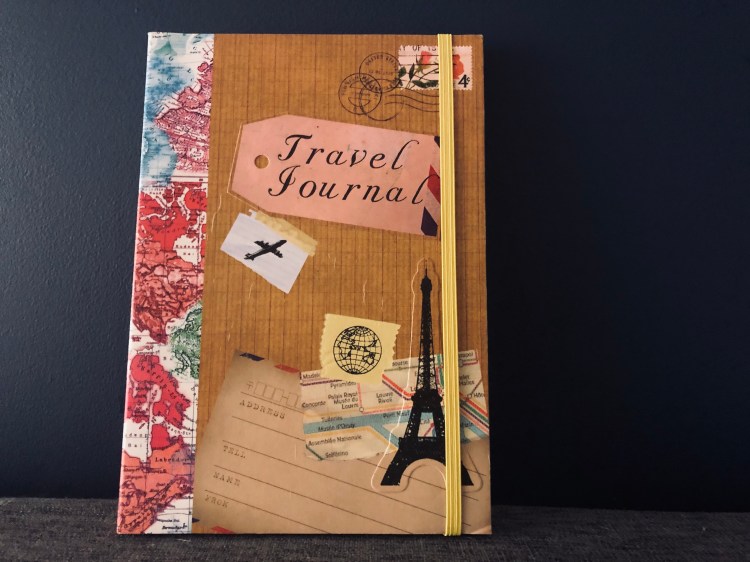
  • Travel diary – If you know someone who loves writing and documenting their trips, then a travel journal or diary could be perfect. There are LOADS out there, in stationary shops and online, starting from around £10.
15 Present Ideas for Travellers - Travel Journal

Quite a few of these ideas came from presents that Scott and I have given each other in the past (and a couple are now on my wish list).

Follow us on Instagram for other travel ideas and tips!